@
I
MY
BOD

About Exhibition

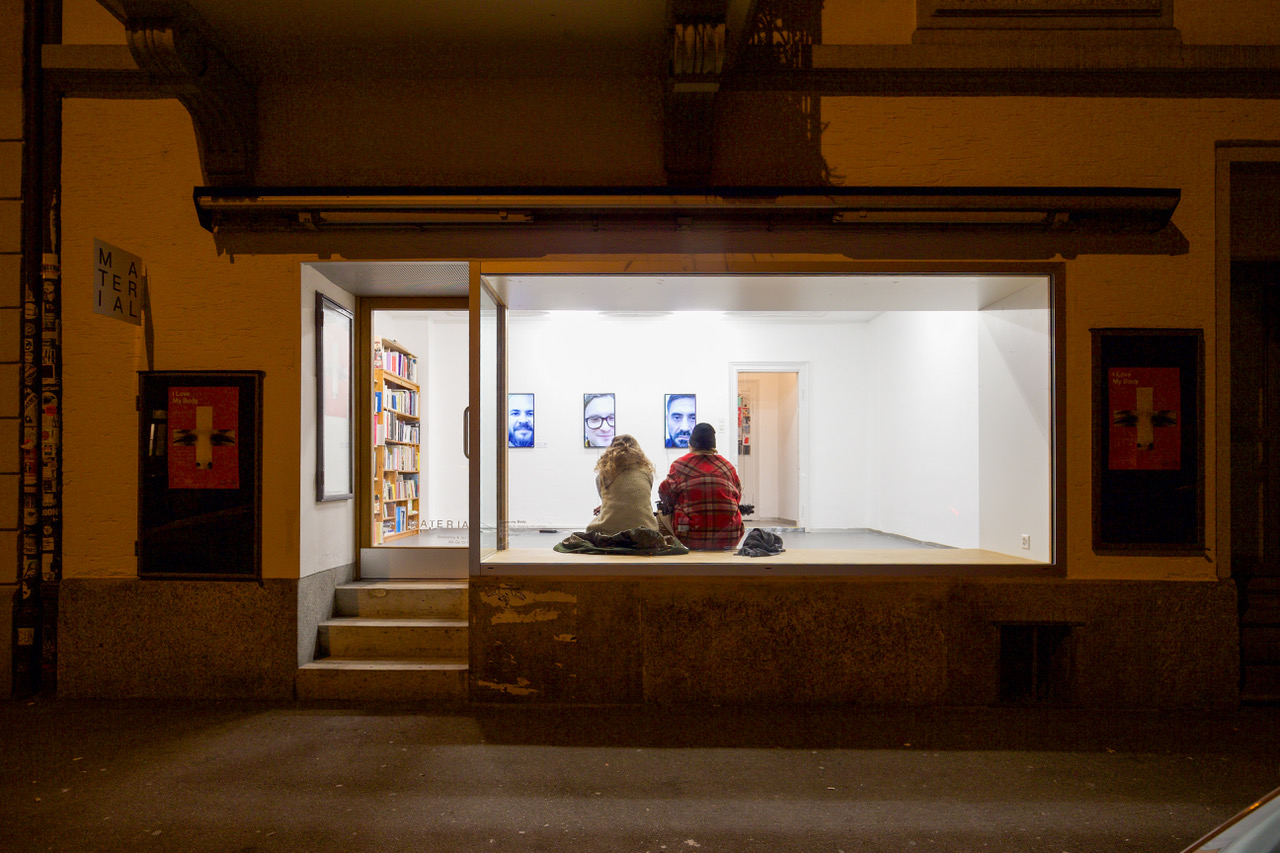
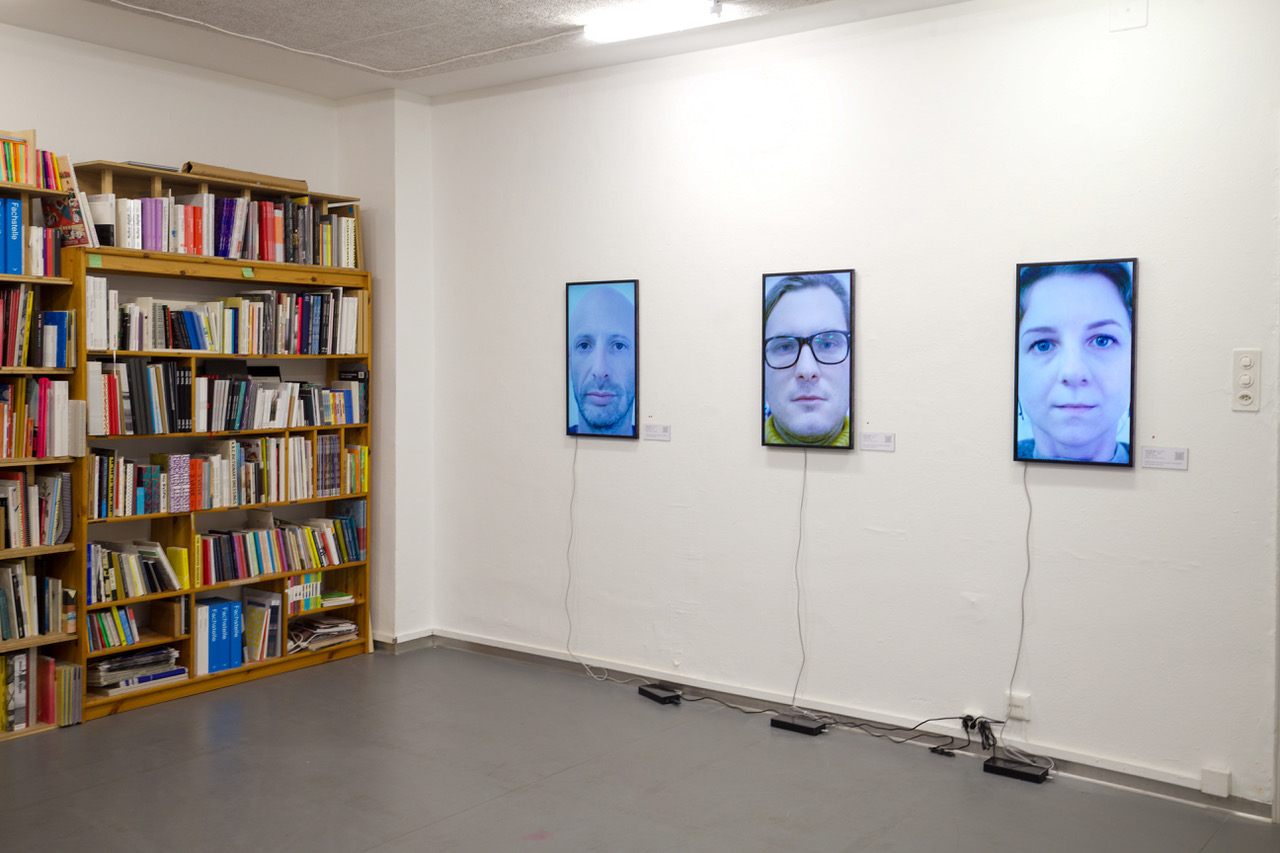
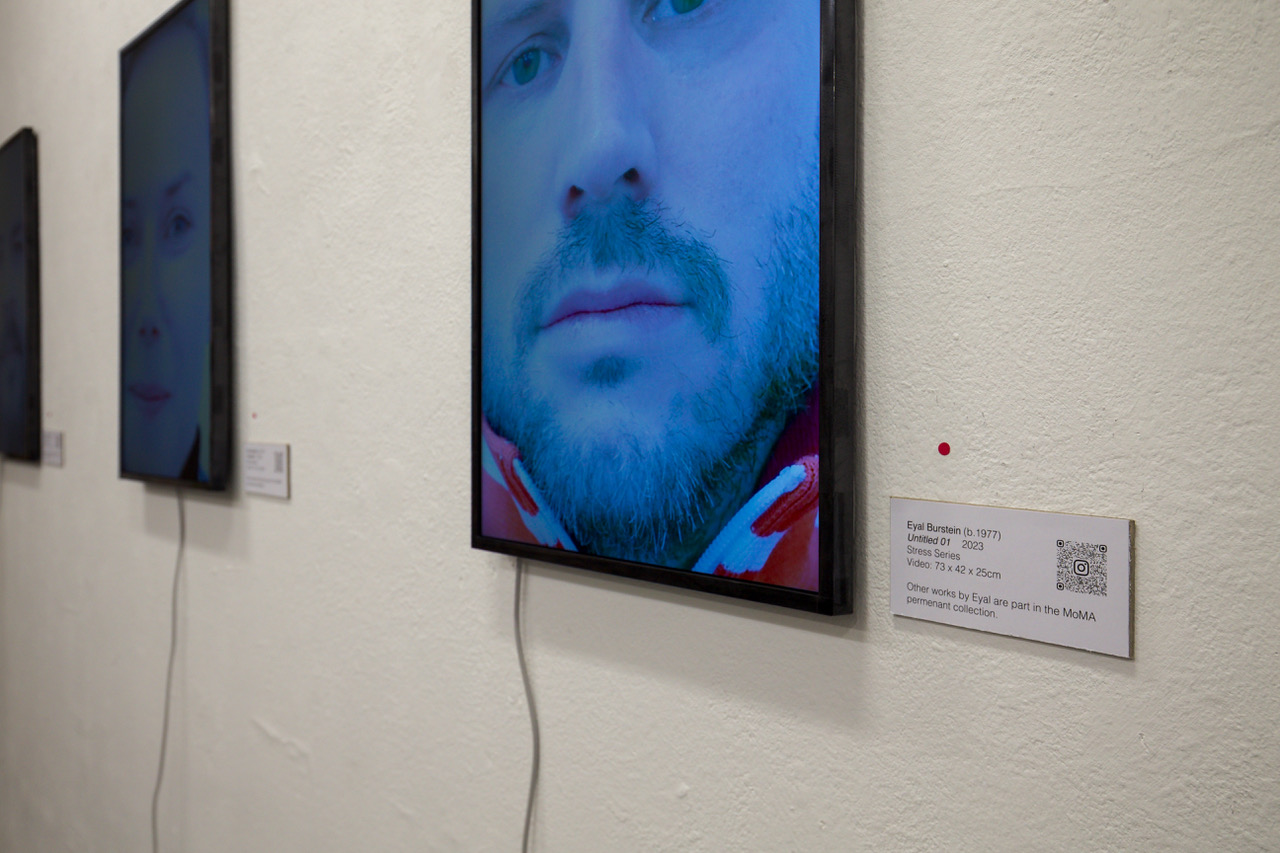
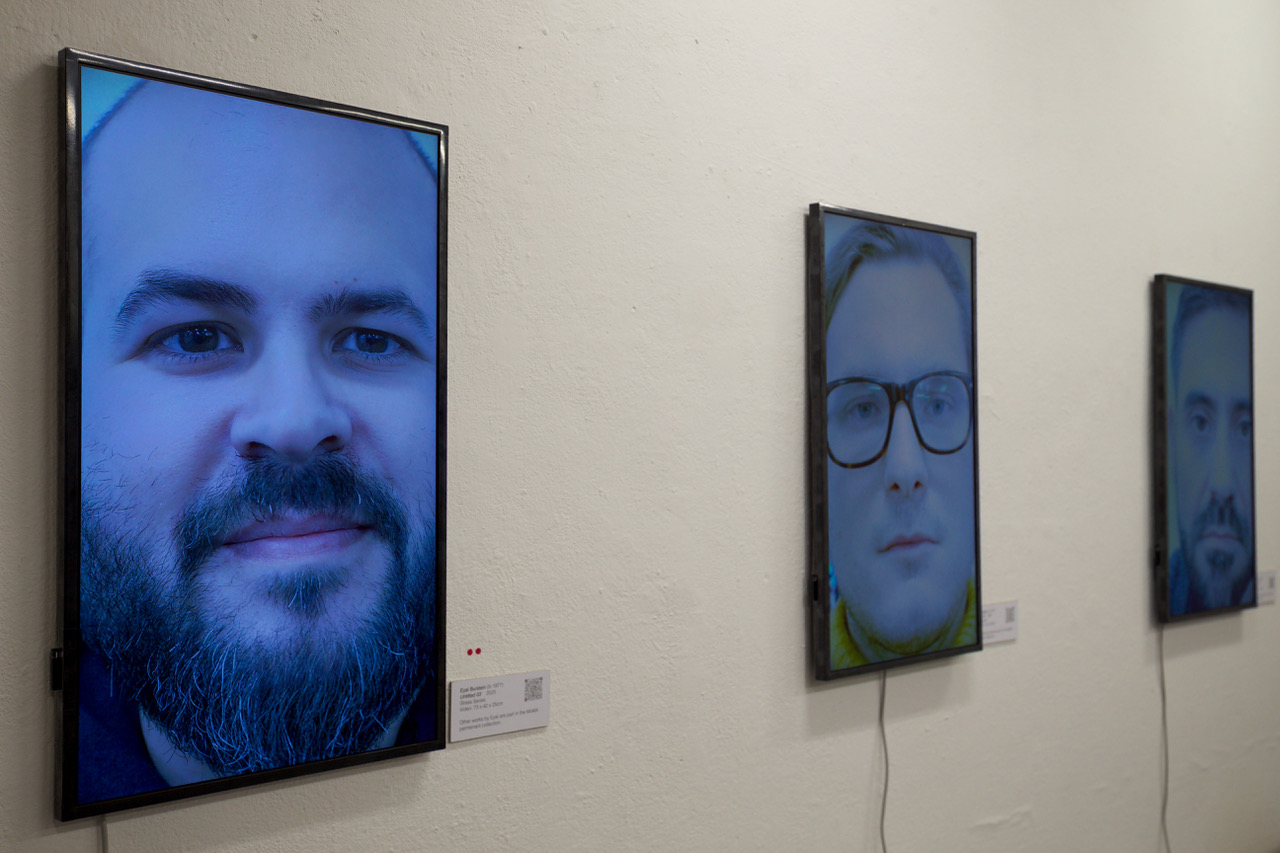
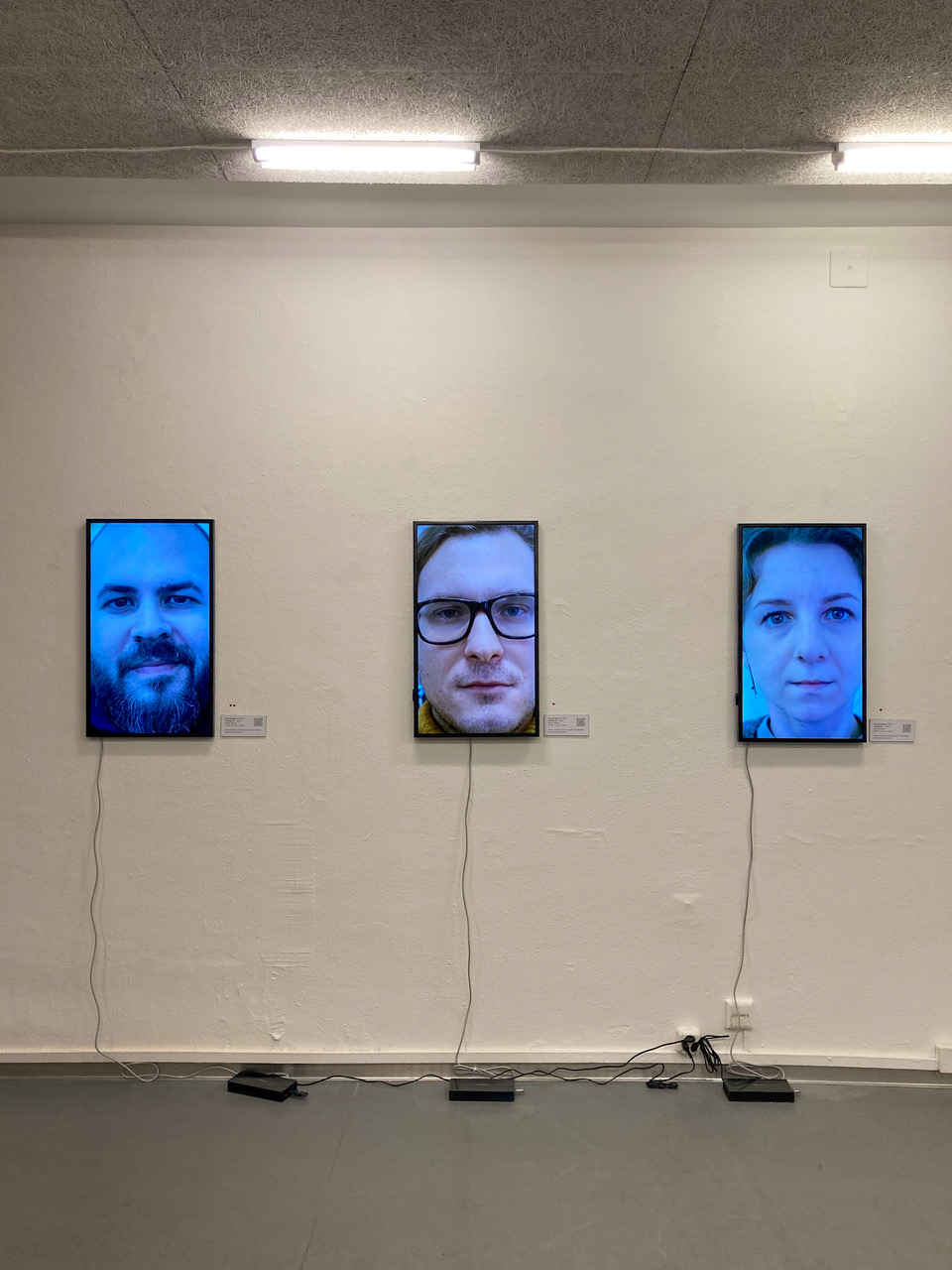
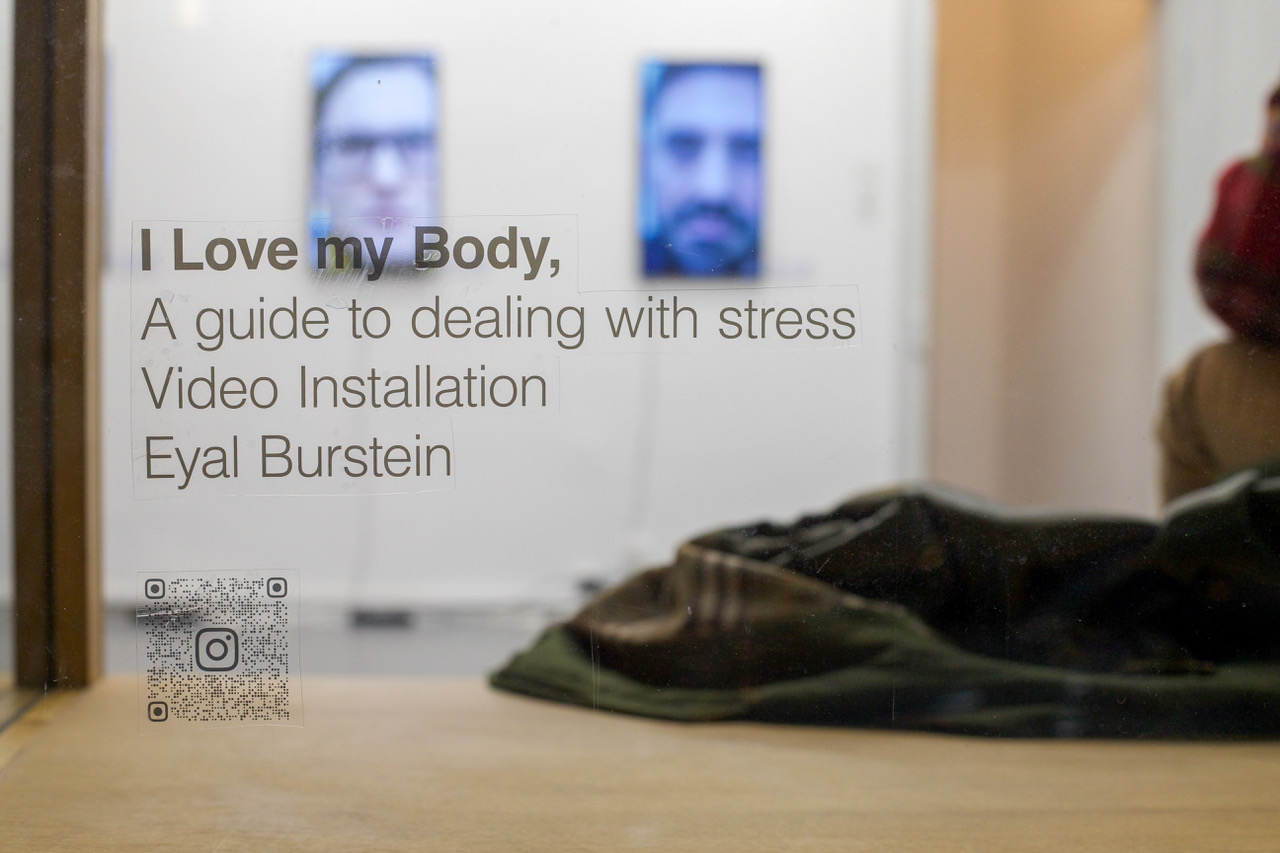
How we confront discomfort offers a window into our resilience, revealing how we meet life's unpredictable challenges. "I Love My Body" is a touring exhibition rooted in the belief that moments of solitude and determination—so often found in daily life—hold the key to authentic transformation.

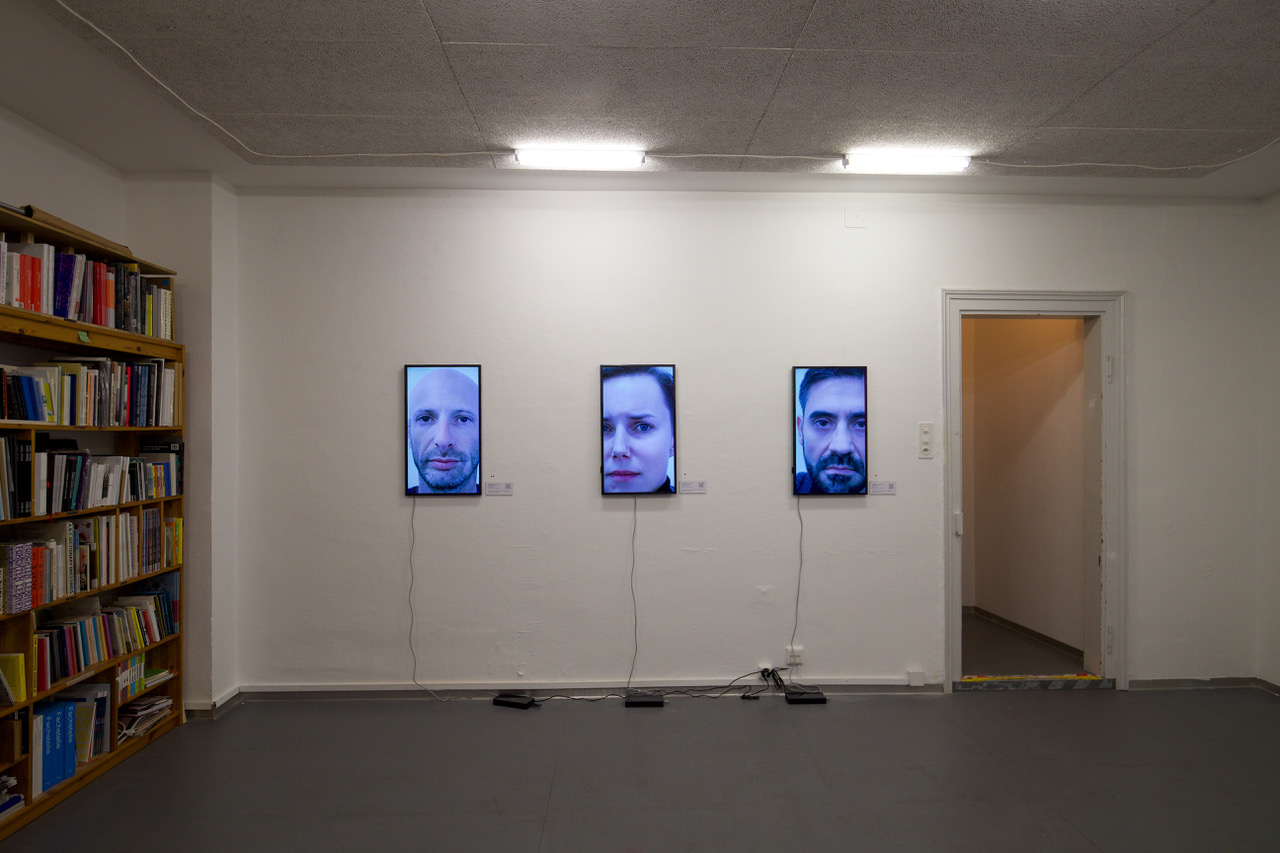
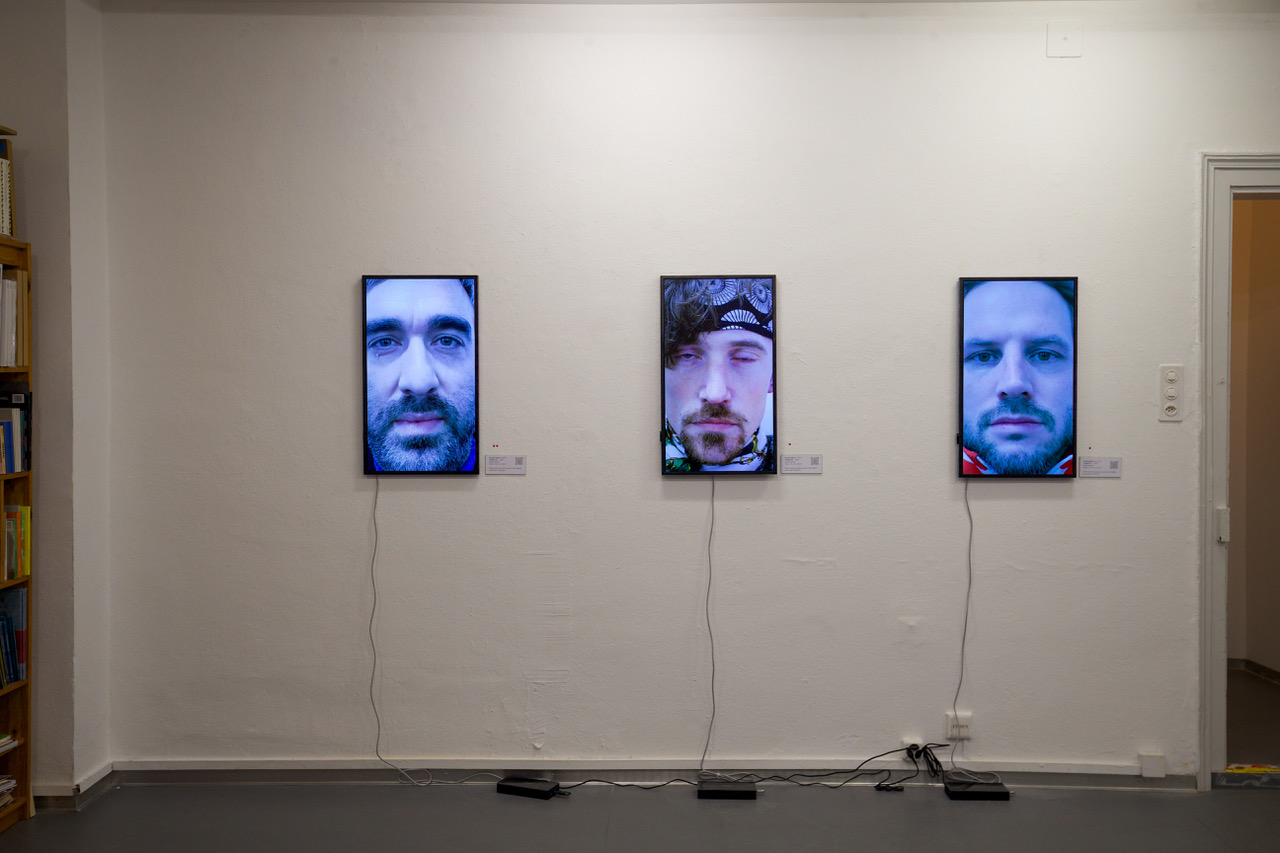
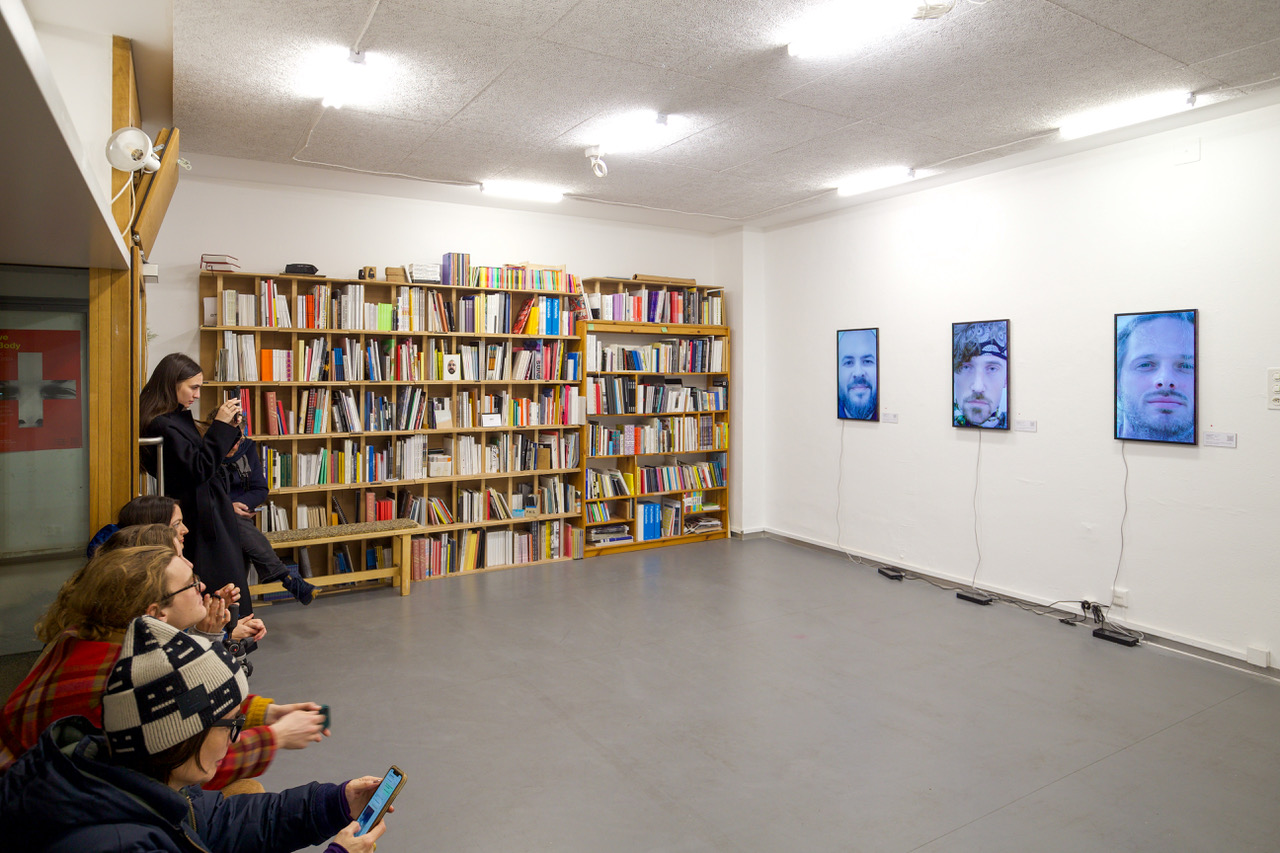
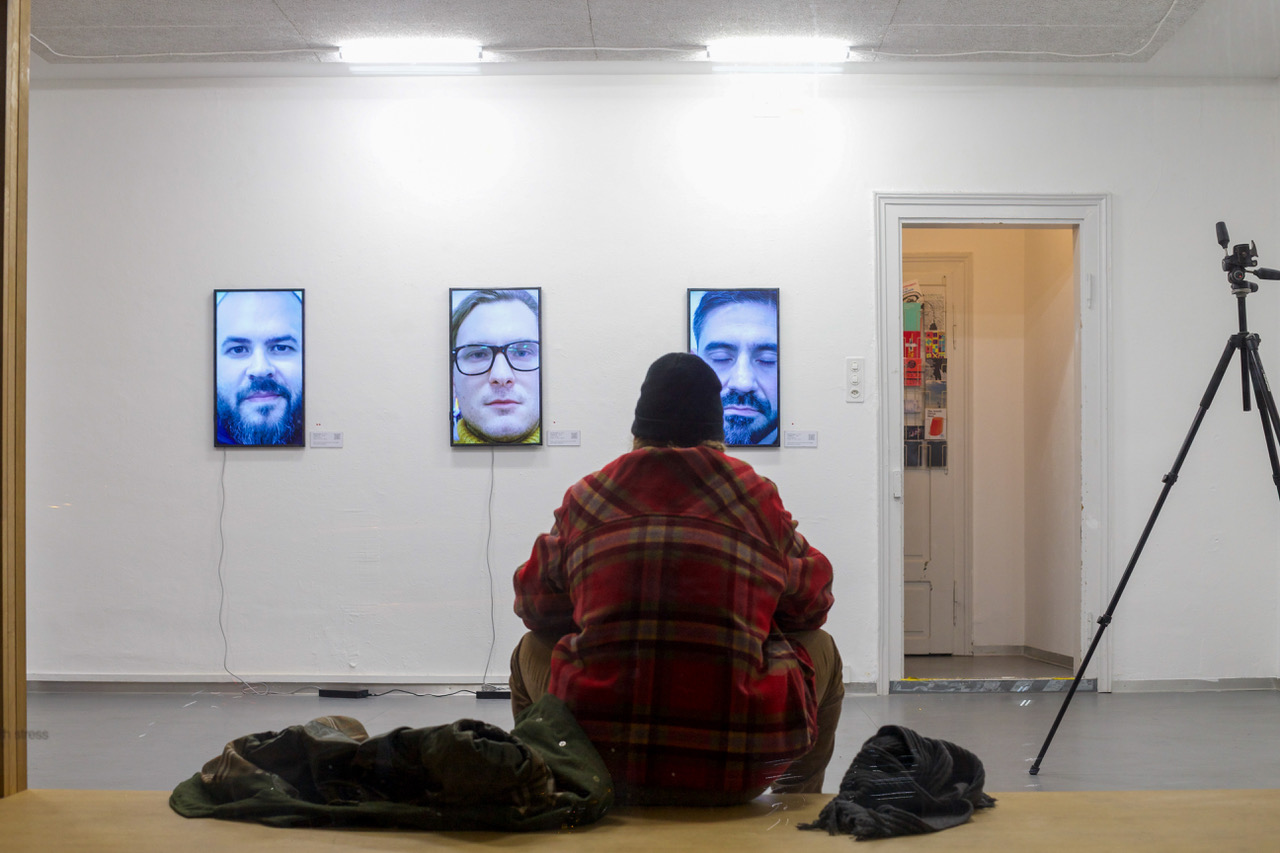
Open-ended and ever-evolving, the exhibition invites participants from remote communities across Switzerland to bond through their connection to nature and their willingness to be seen. Each visitor is encouraged to share a piece of their inner world by stepping in front of the camera—a quiet, personal act that asks for courage and honesty. These filmed moments, collected from different places, reveal the subtle gestures and emotions that shape our shared humanity.

Visitors are given a simple challenge: to move gently beyond their comfort zones and let the camera record small, revealing expressions—a fleeting twitch, a steady breath—in the tranquil setting of their own landscapes. Beginning with its debut in Zurich, the project grows with every new contribution, gradually weaving together unspoken stories from far-flung locations.

Ultimately, "I Love My Body" brings together these moving portraits to form a mesmerizing continuous film—a living mirror of resilience, self-reflection, and the quiet power found at society's edges. The exhibition invites everyone to see themselves in this tapestry of endurance and to recognize vulnerability as a source of collective strength.

Über die Ausstellung

Wie wir mit Unbehagen umgehen, gibt Einblick in unsere Widerstandsfähigkeit und zeigt, wie wir den unvorhersehbaren Herausforderungen des Lebens begegnen. „I Love My Body" ist eine Wanderausstellung, die auf der Überzeugung beruht, dass Momente der Einsamkeit und Entschlossenheit – so oft im täglichen Leben zu finden – der Schlüssel zur authentischen Transformation sind.

Offen und ständig weiterentwickelnd lädt die Ausstellung Teilnehmer aus abgelegenen Gemeinden in der ganzen Schweiz ein, sich durch ihre Verbindung zur Natur und ihre Bereitschaft, gesehen zu werden, zu verbinden. Jeder Besucher wird ermutigt, ein Stück seiner inneren Welt zu teilen, indem er vor die Kamera tritt – ein stiller, persönlicher Akt, der Mut und Ehrlichkeit erfordert. Diese gefilmten Momente, aus verschiedenen Orten gesammelt, offenbaren die subtilen Gesten und Emotionen, die unsere gemeinsame Menschlichkeit prägen.

Die Besucher erhalten eine einfache Herausforderung: sanft über ihre Komfortzone hinauszugehen und die Kamera kleine, aufschlussreiche Ausdrücke aufzeichnen zu lassen – ein flüchtiges Zucken, ein gleichmäßiger Atem – in der ruhigen Umgebung ihrer eigenen Landschaften. Beginnend mit ihrem Debüt in Zürich wächst das Projekt mit jedem neuen Beitrag und verwebt nach und nach unausgesprochene Geschichten aus weit entfernten Orten.

Letztendlich bringt „I Love My Body" diese bewegenden Porträts zusammen, um einen faszinierenden kontinuierlichen Film zu bilden – einen lebendigen Spiegel der Widerstandsfähigkeit, Selbstreflexion und der stillen Kraft, die am Rande der Gesellschaft zu finden ist. Die Ausstellung lädt jeden ein, sich selbst in diesem Gewebe der Ausdauer zu sehen und Verletzlichkeit als Quelle kollektiver Stärke zu erkennen.

About the Artist

Eyal Burstein is a conceptual product designer whose practice investigates social behaviour, perception, morality, and self-censorship through object-based research and intervention. His work operates at the intersection of design, art, and social systems, transforming abstract societal forces—such as taxation, surveillance, imprisonment, and urban infrastructure—into tangible, confrontational objects and environments.

Burstein's methodology merges academic research with ethnographic observation and playful experimentation. He uses simple, archetypal forms to communicate complex and often invisible systems, making intangible forces physically and emotionally legible. His early work on human perception explored the biological and evolutionary mechanics of sight, resulting in theatrical prototypes that tested the brain's plasticity and challenged how the body processes visual information. These experimental objects entered MoMA's permanent collection.

A central thread in his practice is the use of design as a tool for institutional critique. His long-term project Taxing Art exposed the subjective borders between art, design, and commerce by transporting "tax-ambiguous" objects through international customs, forcing authorities to define value and classification in real time. This work reframed taxation as a creative constraint and systemic obstacle embedded within cultural production.

Burstein's ongoing research projects extend into urban infrastructure and correctional systems. Through Scaffolding Brut, he reimagines scaffolding—an omnipresent yet ignored architectural structure—as a site for beauty, experience, and human-centered design. His prison research project proposes radical architectural models focused on rehabilitation rather than punishment, using design to reduce recidivism and institutional violence.

Formally, his work is minimal; conceptually, it is confrontational. He views art as an active force capable of reshaping behaviour, strengthening bodies and minds, and introducing productive friction into daily life. His practice consistently questions what society accepts as "normal" and replaces passivity with direct engagement.

Über den Künstler

Eyal Burstein ist ein konzeptioneller Produktdesigner, dessen Praxis soziales Verhalten, Wahrnehmung, Moralität und Selbstzensur durch objektbasierte Forschung und Intervention untersucht. Seine Arbeit operiert an der Schnittstelle von Design, Kunst und sozialen Systemen und transformiert abstrakte gesellschaftliche Kräfte – wie Besteuerung, Überwachung, Inhaftierung und städtische Infrastruktur – in greifbare, konfrontative Objekte und Umgebungen.

Bursteins Methodik verbindet akademische Forschung mit ethnographischer Beobachtung und spielerischem Experimentieren. Er nutzt einfache, archetypische Formen, um komplexe und oft unsichtbare Systeme zu kommunizieren und macht immaterielle Kräfte physisch und emotional erfassbar. Seine frühen Arbeiten zur menschlichen Wahrnehmung erforschten die biologischen und evolutionären Mechanismen des Sehens und führten zu theatralischen Prototypen, die die Plastizität des Gehirns testeten und herausforderten, wie der Körper visuelle Informationen verarbeitet. Diese experimentellen Objekte wurden in die Dauersammlung des MoMA aufgenommen.

Ein zentraler Strang in seiner Praxis ist die Verwendung von Design als Werkzeug zur institutionellen Kritik. Sein langfristiges Projekt Taxing Art enthüllte die subjektiven Grenzen zwischen Kunst, Design und Handel, indem es „steuerunsichere" Objekte durch den internationalen Zoll transportierte und Behörden zwang, Wert und Klassifizierung in Echtzeit zu definieren. Diese Arbeit veränderte Besteuerung als kreative Zwangsmassnahme und systemisches Hindernis, das in der kulturellen Produktion eingebettet ist.

Bursteins laufende Forschungsprojekte erstrecken sich auf städtische Infrastruktur und Korrektionssysteme. Durch Scaffolding Brut denkt er Gerüste – eine allgegenwärtige, doch übersehene architektonische Struktur – als Ort für Schönheit, Erlebnis und menschenzentrierten Design neu. Sein Gefängnisforschungsprojekt schlägt radikale architektonische Modelle vor, die auf Rehabilitation statt auf Bestrafung ausgerichtet sind, und nutzt Design, um Rückfälligkeit und institutionelle Gewalt zu verringern.

Formal ist seine Arbeit minimal; konzeptionell ist sie konfrontativ. Er sieht Kunst als aktive Kraft an, die in der Lage ist, Verhalten umzugestalten, Körper und Geist zu stärken und produktive Reibung in den Alltag einzuführen. Seine Praxis stellt konsequent in Frage, was die Gesellschaft als „normal" akzeptiert, und ersetzt Passivität durch direkte Auseinandersetzung.
Exhibition

Ausstellung

Past ILMB Events

Vergangene ILMB-Veranstaltungen

Selected Works

  • Pyramid Chair – Latvian National Museum of Art, Riga, Latvia
  • Taxing Art – Boghossian Foundation, Brussels, Belgium
  • Waste Not Want It – Bloomberg, London, UK
  • Light Catcher – Wallpaper* Handmade, Milan, Italy
  • Invisible Design – Spazio Logotel, Milan, Italy
  • Tax Bench – Design Museum London, London, UK
  • Tax Bench – Swarovski Crystal Palace, Design Miami, Basel, Switzerland
  • Scaffolding Brut – Cheongju International Craft Biennial, Cheongju, South Korea
  • Scaffolding – Victoria and Albert Museum, London, UK
  • Solo Exhibition – Gestalten Space, Berlin, Germany
  • B-side Table – Dilmos Gallery, Basel, Switzerland
  • W Hotel – Tribeca Film Festival, Doha, Qatar
  • Taxing Art – W Hotel, Barcelona, Spain
  • 13,798 Grams of Design – Milan, Italy
  • Seeing Myself See – Wellcome Trust, London, UK
  • Eye Candy – Ars Electronica, Linz, Austria
  • International Design Biennial – Saint-Étienne, France
  • Designer of the Future Award Exhibition – Design Miami Basel, Switzerland
  • Eye Candy – Design and the Elastic Mind, Museum of Modern Art (MoMA), New York, USA

Ausgewählte Arbeiten

  • Pyramid Chair – Latvian National Museum of Art, Riga, Latvia
  • Taxing Art – Boghossian Foundation, Brüssel, Belgien
  • Waste Not Want It – Bloomberg, London, UK
  • Light Catcher – Wallpaper* Handmade, Mailand, Italien
  • Invisible Design – Spazio Logotel, Mailand, Italien
  • Tax Bench – Design Museum London, London, UK
  • Tax Bench – Swarovski Crystal Palace, Design Miami, Basel, Schweiz
  • Scaffolding Brut – Cheongju International Craft Biennial, Cheongju, Südkorea
  • Scaffolding – Victoria and Albert Museum, London, UK
  • Solo Exhibition – Gestalten Space, Berlin, Deutschland
  • B-side Table – Dilmos Gallery, Basel, Schweiz
  • W Hotel – Tribeca Film Festival, Doha, Katar
  • Taxing Art – W Hotel, Barcelona, Spanien
  • 13,798 Grams of Design – Mailand, Italien
  • Seeing Myself See – Wellcome Trust, London, UK
  • Eye Candy – Ars Electronica, Linz, Österreich
  • International Design Biennial – Saint-Étienne, Frankreich
  • Designer of the Future Award Exhibition – Design Miami Basel, Schweiz
  • Eye Candy – Design and the Elastic Mind, Museum of Modern Art (MoMA), New York, USA

Potential Locations

Mögliche Standorte

Participate in the Exhibition

Your information will be handled with care and used only for exhibition coordination. We respect your privacy.

The Challenge

Stand before the camera. Raise your arms to your sides, holding a small weight in each hand—just one or two kilograms. Nothing more.

At first, it feels effortless. But time stretches. What begins as lightness becomes weight. Your shoulders speak. Your breath changes. The camera watches as something invisible becomes visible: the precise moment endurance meets its edge.

This is not about strength. It's about presence through discomfort. It's about staying when every instinct tells you to lower your arms. The weights don't change—you do.

Your participation becomes part of a living archive—a collective portrait of human resilience set against the ancient, impassive beauty of the Swiss mountains.

An der Ausstellung teilnehmen

Ihre Daten werden sorgfältig behandelt und nur für die Koordination der Ausstellung verwendet. Wir respektieren Ihre Privatsphäre.

Die Herausforderung

Stellen Sie sich vor die Kamera. Heben Sie Ihre Arme seitlich an und halten Sie in jeder Hand ein kleines Gewicht – nur ein oder zwei Kilogramm. Nicht mehr.

Anfangs fühlt es sich mühelos an. Aber die Zeit dehnt sich. Was als Leichtigkeit beginnt, wird zur Last. Ihre Schultern sprechen. Ihr Atem ändert sich. Die Kamera beobachtet, wie etwas Unsichtbares sichtbar wird: der präzise Moment, in dem Ausdauer an ihre Grenze stösst.

Es geht nicht um Stärke. Es geht um Präsenz durch Unbehagen. Es geht darum, zu bleiben, wenn jeder Instinkt Ihnen sagt, die Arme zu senken. Die Gewichte ändern sich nicht – Sie schon.

Ihre Teilnahme wird Teil eines lebendigen Archivs – ein kollektives Porträt menschlicher Widerstandsfähigkeit vor der uralten, unerschütterlichen Schönheit der Schweizer Berge.